
Open the theme
Click “Theme” on the right-hand side of the editor.

Feature
A theme sets the colors, fonts, spacing and button styles of your form, and custom CSS covers whatever the theme does not reach. The form looks like part of your landing page, not a third-party widget.
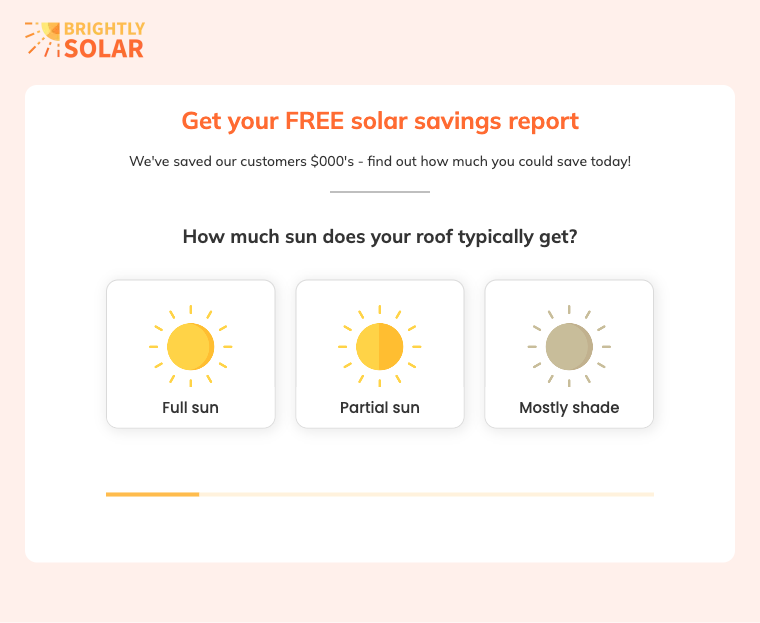
Custom form design means controlling how a form looks, so that it matches the page and the brand around it. In Growform the design is held in a theme, which you open with the “Theme” button in the editor. The theme applies to the whole form, so a color or a font is changed once.
Form themes in Growform control color, type, spacing and the movement between steps.
The progress bar has further settings of its own for its type and position.
You make a custom CSS form by giving fields your own class names and writing rules for those classes in the form's settings. Growform is a form builder with custom CSS on every plan. Each field has a “Custom CSS classes” option, and the form settings hold a box for the CSS itself. The form background, the continue button, the back button and the progress bar have class names that you can target, and media queries are supported.
Yes. The “Powered by Growform” banner is shown during the free trial only, and every paid plan removes it.
Click “Theme” on the right-hand side of the editor.
Pick “As a standalone page” for a form you share by link. Pick “Embedded on my website” for a form that sits inside your own page.
Enter your “Primary color”, which colors the progress bar and the buttons. Then set the “Form width” and choose your fonts.
Give a field a class under “Custom CSS classes”, then write the rule for that class in the custom CSS box in the form settings.
With the embedded canvas setup, no background and shadows switched off, the form sits flush with the landing page around it.
The primary color and the fonts are set once in the theme and apply to every step of the form.
You duplicate a proven form and change its theme, and the same questions appear under a different brand.
The theme handles most styling through settings, which leaves CSS for the exceptions.
Neither the theme editor nor custom CSS is restricted by plan.
No. Colors, fonts, widths and padding are all settings in the theme. CSS is there for finer changes beyond the theme.
The primary color sets the progress bar and the buttons. Each of them can be given a color of its own where you want an exception.
Yes. Add a class to that field under “Custom CSS classes” and target the class in your CSS.
Yes. The standalone page setup adds a header with your logo, a footer and an optional side panel for extra information.
Create beautiful multi-step forms that convert, with a 14-day free trial. No credit card required.


