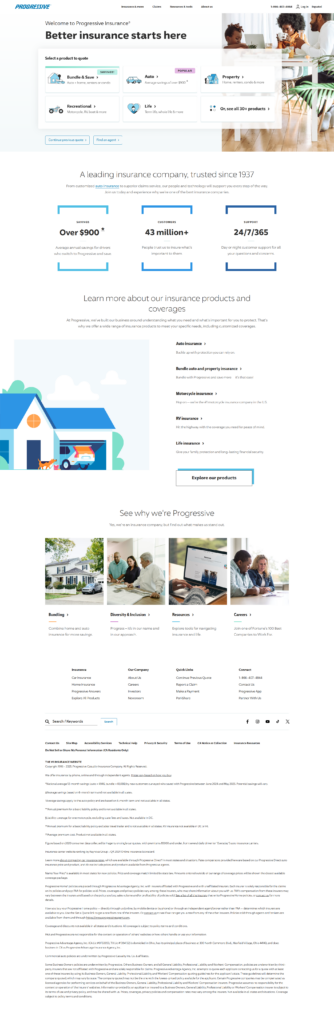
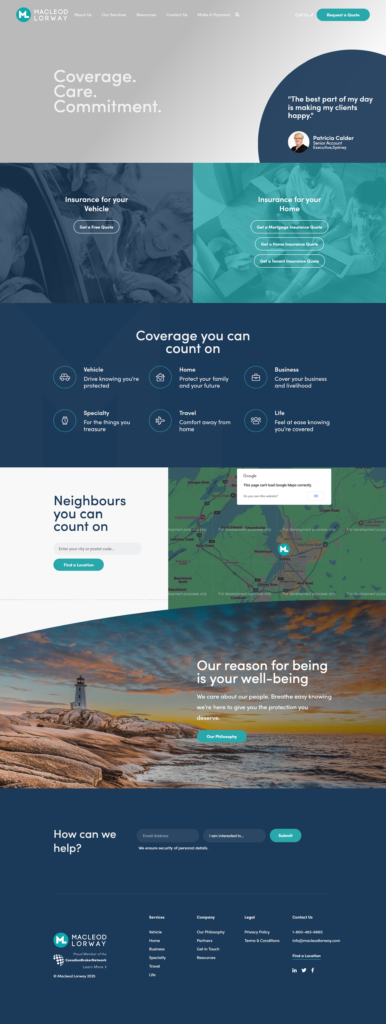
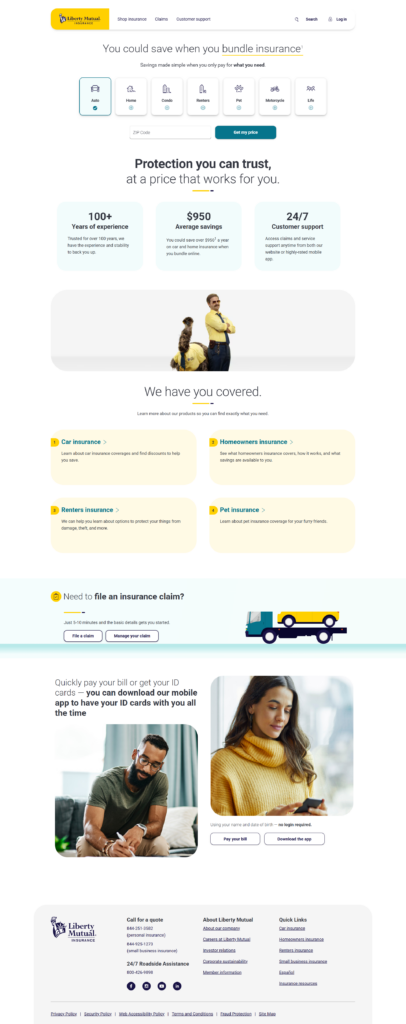
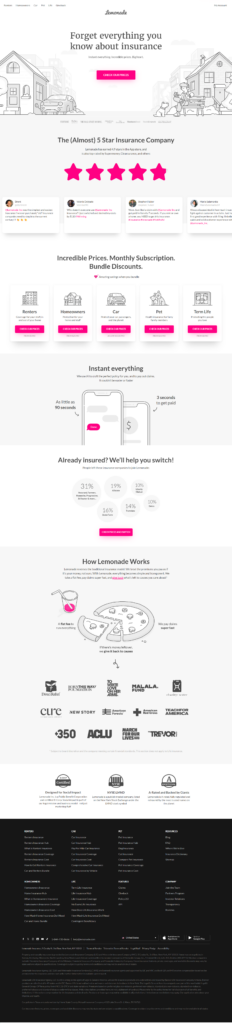
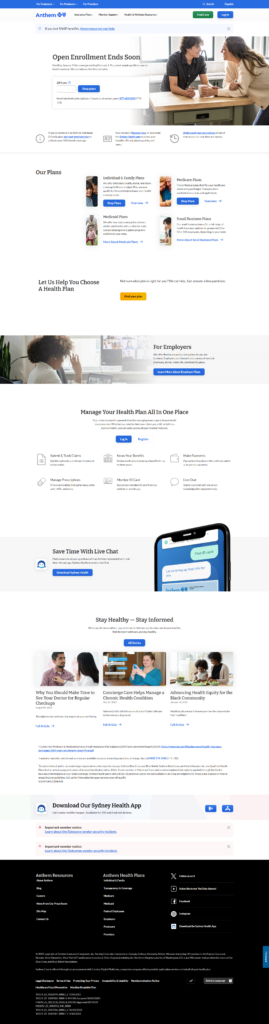
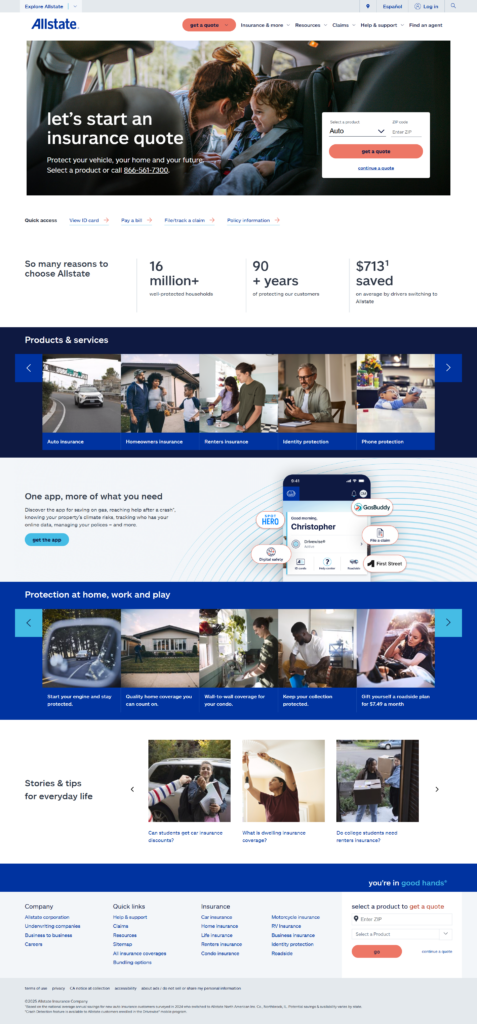
Best Converting Insurance Landing Page Examples

 Insurance is a confidence purchase. These examples show how great pages use proof, clarity, and simple CTAs to turn interest into inquiries.

 Love These Landing Pages? You Can Make Yours Convert Even Better

Create beautiful, multi-step forms that convert with a zero-commitment free trial (no credit card required).


What Is an Insurance Landing Page?

An insurance landing page is a standalone page built to generate leads for a specific insurance product or quote. It focuses on one audience, one offer, and a single call to action, removing distractions that could pull visitors away.

These pages are commonly used for quote requests, lead generation campaigns, comparison offers, and consultations. They often work alongside paid search, display advertising, or social campaigns. A high-performing insurance landing page clearly explains coverage value, builds trust, sets expectations, and makes requesting a quote simple, fast, and low risk for visitors.

Key Elements of a High-Converting Insurance Landing Page

Confidence-Building Headline

Communicate the main benefit of the insurance offer in plain language. A clear, benefit-led headline immediately answers what the visitor receives and why it matters, reducing uncertainty and encouraging further reading.

Reassuring Value Proposition

Explain how the insurance provides real benefits. Focus on protection, savings, peace of mind, or convenience rather than policy jargon. A strong value proposition makes the offer feel relevant and worthwhile.

Simple Explanation of the Quote Process

Briefly explain how the quote process works, what details are required, and how long it takes. Simplicity reduces effort and boosts completions.

Single, Focused Call to Action

Quote forms should feel easy to complete and only ask for necessary information. Multi-step forms reduce perceived effort by breaking the process into smaller steps. Platforms like Growform help improve completion rates while collecting higher-quality lead data.

Low-Friction Quote Forms

Forms should feel quick and manageable. Multi-step designs reduce perceived effort and often outperform long, single-step forms. Structured forms help qualify visitors while maintaining strong conversion rates.

Trust and Credibility Signals

Insurance decisions involve risk, so building trust is essential. Add customer reviews, star ratings, certifications, security badges, or partner logos to reassure visitors and reduce hesitation while they consider your coverage options.

Privacy and Security Assurances

Clearly state how user information is handled. Simple privacy messaging can significantly improve form completion rates.

Mobile Optimization and Fast Performance

Many visitors request quotes on mobile devices. Ensure the page is responsive and loads quickly, as slow performance can drastically reduce conversions.


How to Use These Insurance Landing Page Examples

Insurance landing pages are most effective when you analyze how they reduce friction and build trust.

Match the audience and insurance type. Life, auto, or travel insurance require different tones and messaging. Align content with urgency and emotional context.

Simplify the quote process. Clearly explain steps, minimize perceived effort, and structure forms to gather only essential information.

Test proven structures. Headlines, reassurance messaging, form layout, and CTA wording can all influence lead volume and quality. Treat every insurance landing page as a dynamic conversion tool, continuously optimizing for better results.

Frequently Asked Questions

An insurance landing page should include a clear, benefit-driven headline, a strong value proposition, and a focused call to action. It should also feature a simple quote form, trust signals such as reviews or certifications, and reassurance around privacy and security. Together, these elements reduce hesitation and guide visitors toward requesting a quote.


The ideal length depends on the complexity of the insurance product and the level of commitment required. Simple insurance offers like auto or travel can convert with shorter pages, while life, health, or business insurance often needs more explanation, trust-building, and detail to justify the decision. Always keep content scannable and focused. 

Tailor your landing page to the insurance type. Auto insurance pages should highlight quick quotes and cost savings, while life or health insurance pages benefit from detailed coverage explanations, trust signals, and reassurance about risk protection. Matching the tone and content to the policy type improves engagement and conversions. 

The best CTA is clear, reassuring, and action-oriented. Phrases like “Get a Free Quote,” “Check Your Rate,” or “See Your Options” set expectations without pressure. Effective CTAs set expectations without pressure and encourage visitors to proceed confidently.

Lead quality improves when the page clearly explains coverage, pricing context, and next steps. Setting expectations for follow-up builds trust, while structured forms help qualify users without overwhelming them. Asking the right questions at the right time filters out low-intent leads while maintaining strong conversion rates.