Home » Landing Page Inspiration » Real Estate Landing Page
Real Estate Landing Page That Captures Qualified Leads
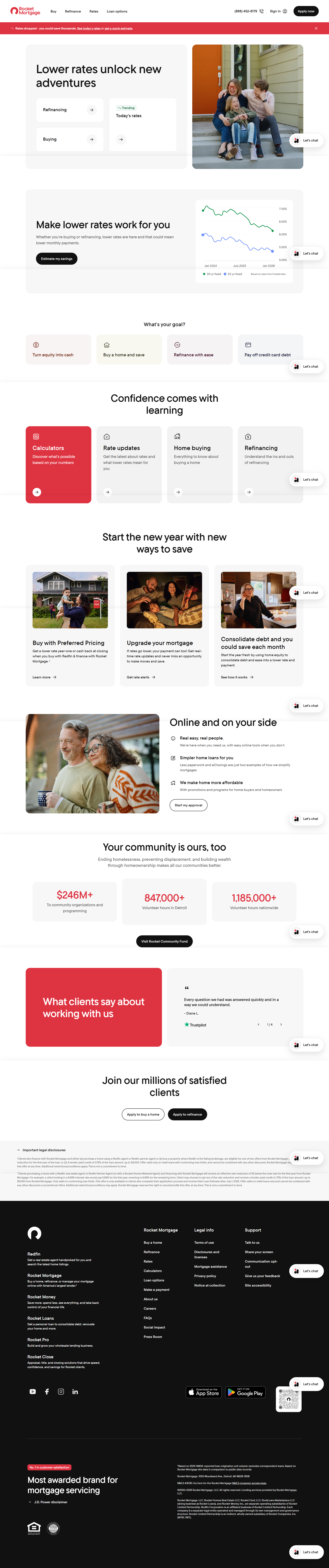
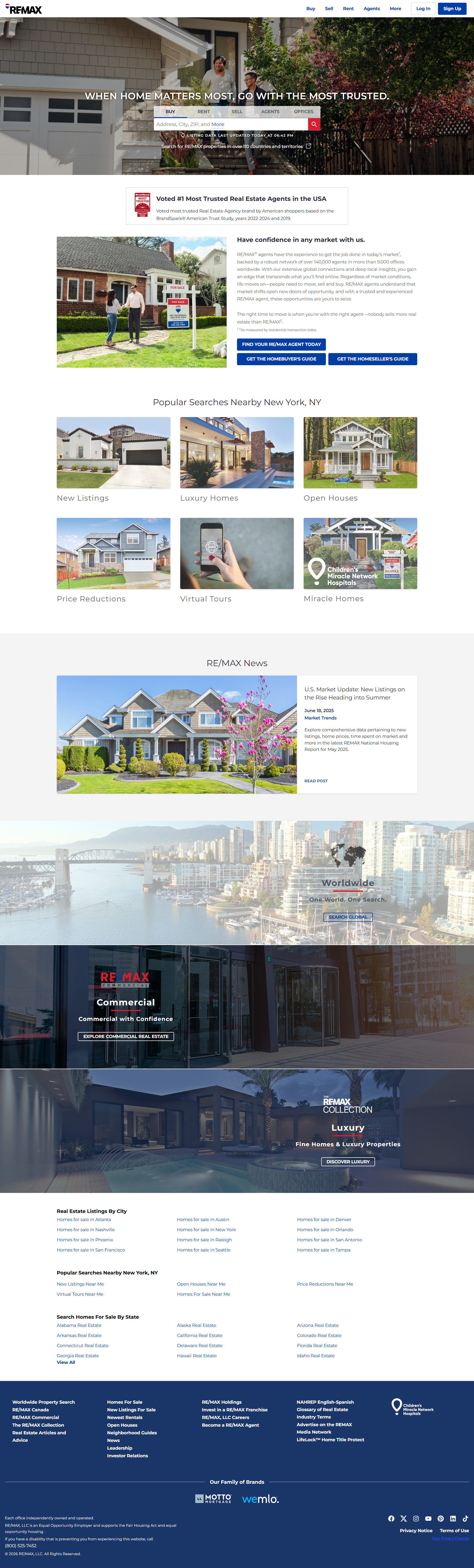
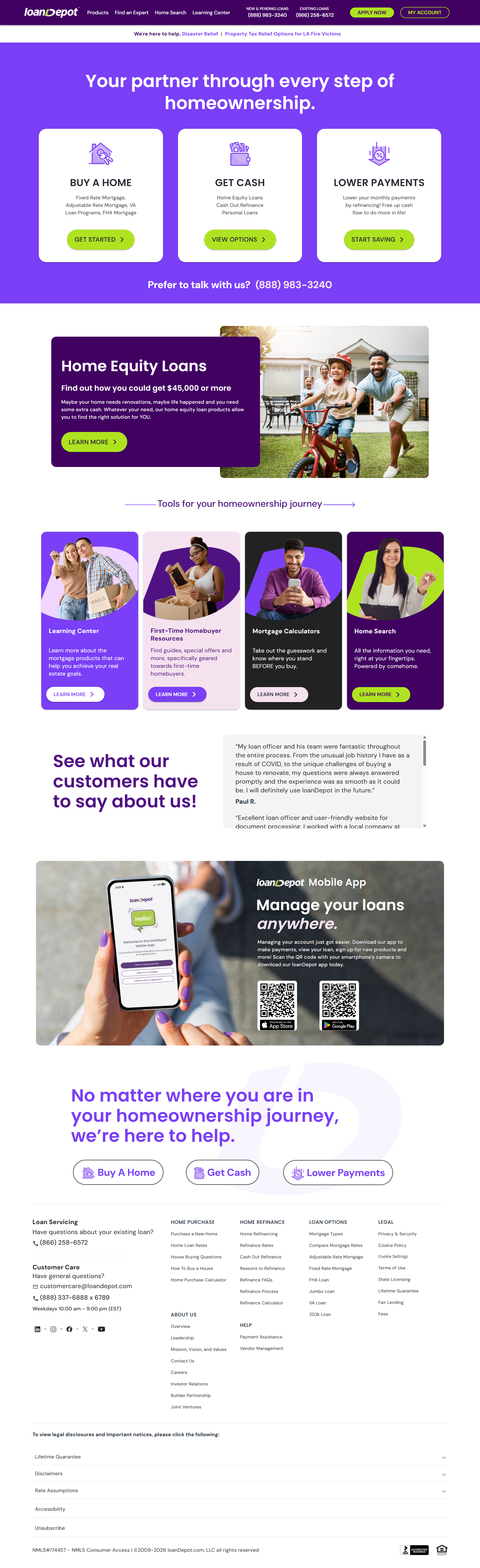
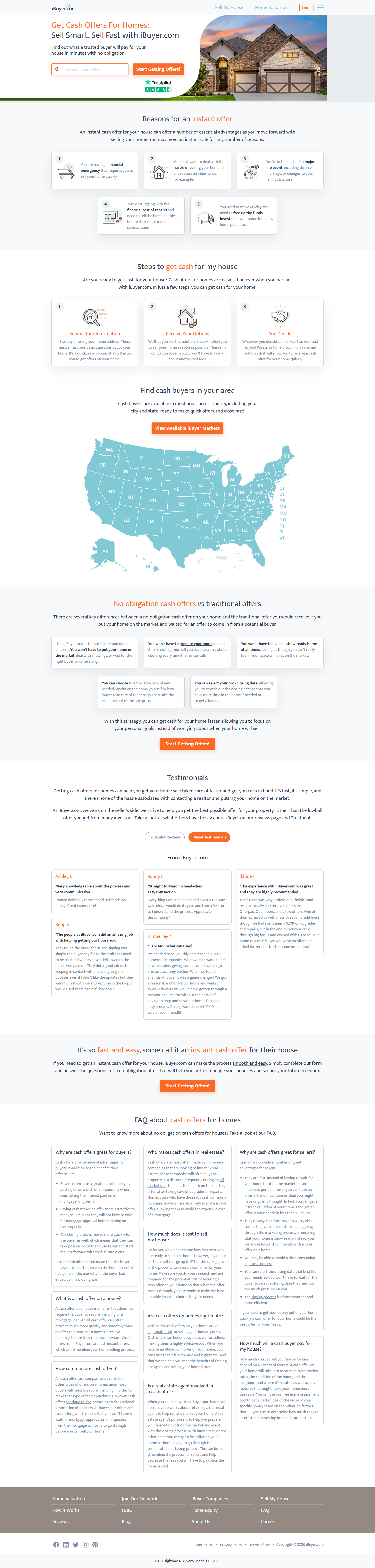
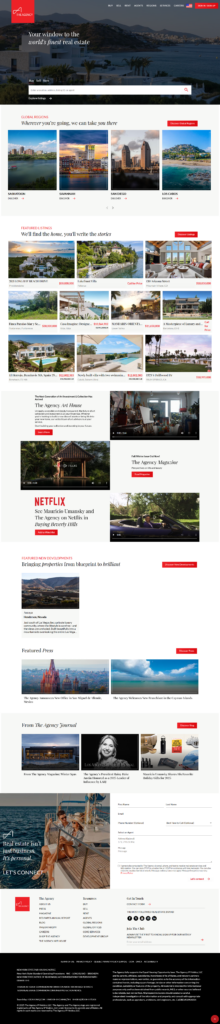
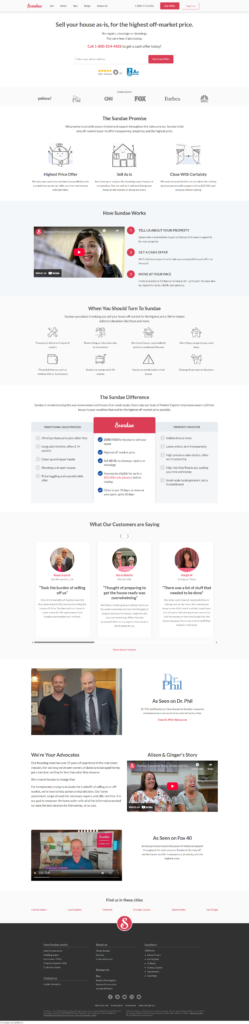
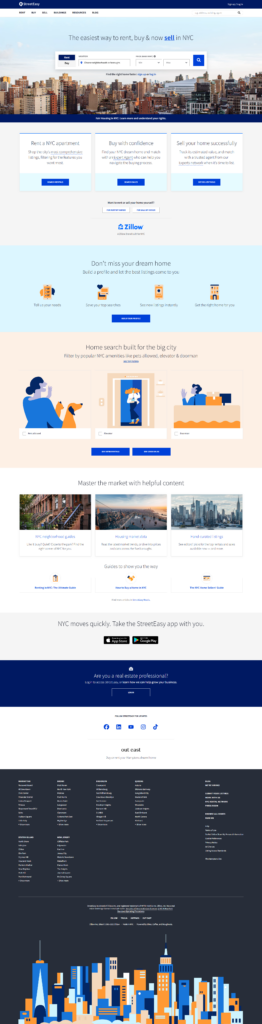
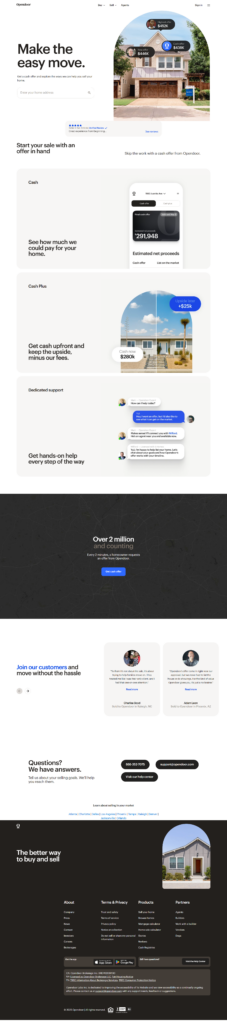
See how top real estate companies pages handle photos, social proof, forms, and follow-up CTAs on their landing pages. Use these examples to build pages people actually submit.
Love These Landing Pages? You Can Make Yours Convert Even Better
Create beautiful, multi-step forms that convert with a zero-commitment free trial (no credit card required).
What Is a Real Estate Landing Page?
A real estate landing page is a standalone page built to capture qualified leads for a specific offer, whether it’s a property listing, home valuation, or consultation. Unlike full websites, it removes distractions and focuses on one audience, one offer, and a single call to action.
These pages perform best when paired with paid ads, social media promotions, or email outreach targeting a specific audience segment. A strong real estate landing page quickly answers three questions: What is being offered? Who will benefit from it? And why is it worth their time? When these answers are clear, visitors are more likely to take action and share their information.
Key Elements of a High-Converting Real Estate Landing Page
Clear, Location-Specific Headline
Your headline should state exactly what is being offered and where. Specificity helps visitors immediately identify relevance. For example, “Find Your Dream Home in Downtown Austin” is more compelling than “Real Estate Services.”
Strong Visual Presentation
High-quality images or videos of the property or area engage visitors emotionally. Visuals are often the first thing users engage with, so quality is critical. Professional photography or virtual tours can significantly boost credibility.
Compelling Value Proposition
Explain why the offer is worth the visitor’s time. This could be exclusive listings, accurate home valuations, local expertise, or a faster buying or selling process. Focus on specific benefits rather than generic claims.
Clear Value Bullets or Summary
Use bullet points to outline what visitors gain: exclusive access, expert guidance, or time-saving solutions. Avoid generic feature lists.
Low-Friction Lead Capture Forms
Forms should feel easy to complete. Asking for too much information too early reduces conversions. Multi-step forms often perform better by breaking the process into smaller actions. Tools like Growform help streamline forms, making them feel faster and easier to complete.
Focused Calls to Action
Every real estate landing page should have one primary CTA, such as “Request a Showing,” “Get Your Home Value,” or “Book a Consultation.” Your CTA should clearly communicate the next step and reduce confusion.
Trust and Credibility Signals
Include testimonials, reviews, certifications, and evidence of local experience. Real estate decisions involve high stakes, so trust signals are essential to increase confidence in the offer.
Mobile Optimization and Fast Load Speed
Many real estate searches happen on mobile devices. A fast, responsive page is critical for conversions. Slow performance or poor mobile formatting can drastically reduce engagement.
How to Use These Real Estate Landing Page Examples
Match the landing page to your audience’s intent. Listing pages, home valuations, and buyer guides require different messaging. Align content with visitor goals and urgency.
Prioritize information by surfacing location, value, and visuals early, followed by trust signals and next steps. Analyze how forms and CTAs are presented, then test proven structures and variations. Small changes to headlines, form layouts, or CTA wording can significantly impact lead volume and quality. Treat every real estate landing page as a conversion asset, continuously optimizing for better results.
Frequently Asked Questions
A real estate landing page is used to capture leads for a specific property, location, or offer. It supports goals such as property inquiries, home valuation requests, buyer consultations, and local marketing campaigns by focusing visitor attention on a single action.
In most cases, yes. Real estate landing pages are designed around a single goal, such as requesting a showing or home valuation. Unlike website pages, they remove navigation and competing messages, which helps visitors focus on one clear action and improves conversion rates.
A high-converting real estate landing page typically includes a location-specific headline, clear value messaging, strong visuals, a focused call to action, and a low-friction lead form. Trust signals such as reviews, credentials, or local expertise further improve performance.
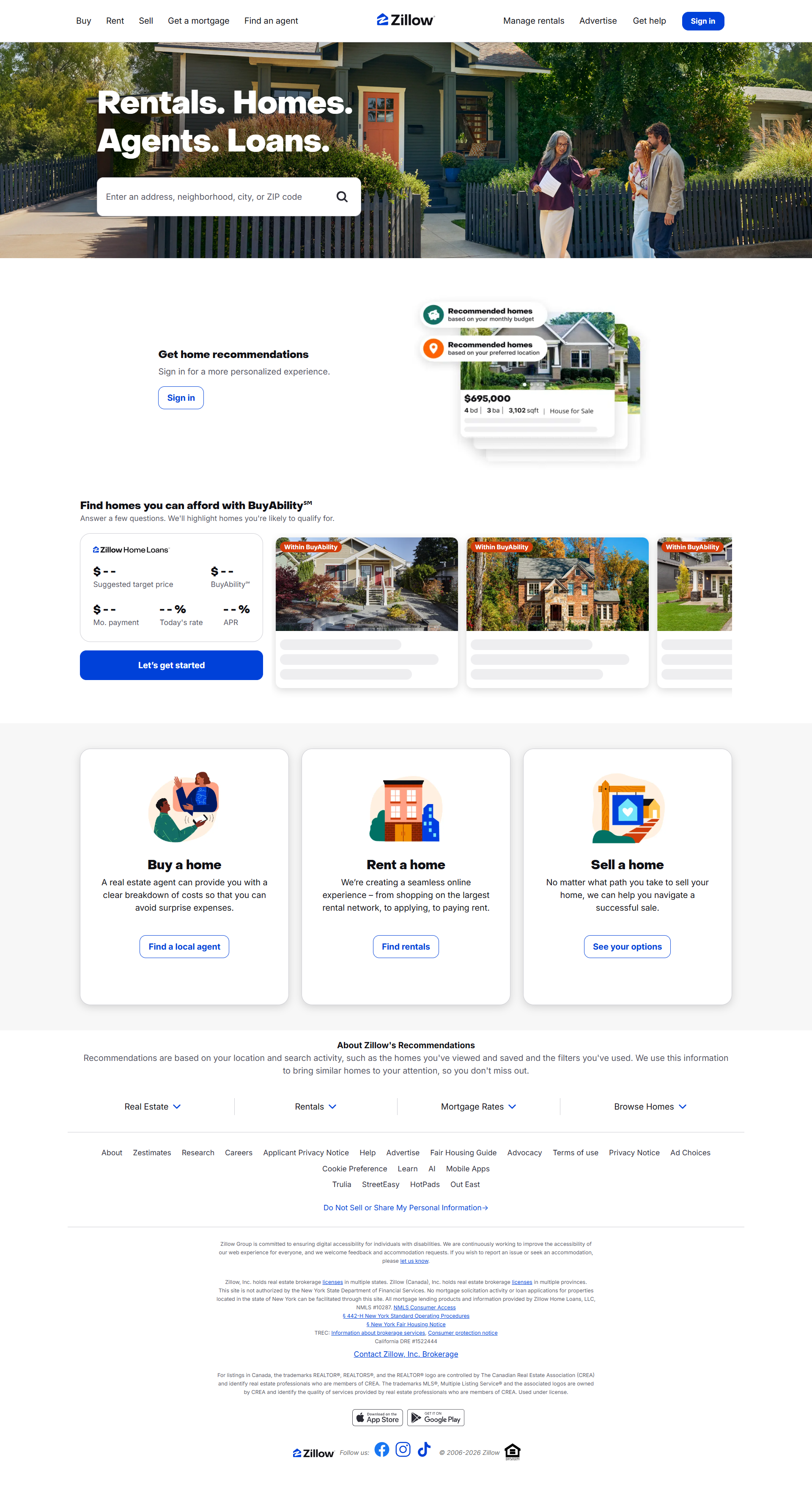
Pages with strong visuals generally perform better, especially for listings and buyer-focused offers. However, seller pages like home valuations or market reports can still convert well with minimal imagery if the value and local expertise are clearly communicated.
Contact details should be requested only after the page clearly explains the value of the offer. Visitors are more willing to share their information once they understand what they will receive, such as listings, valuation results, or next steps in the buying or seaZqlling process