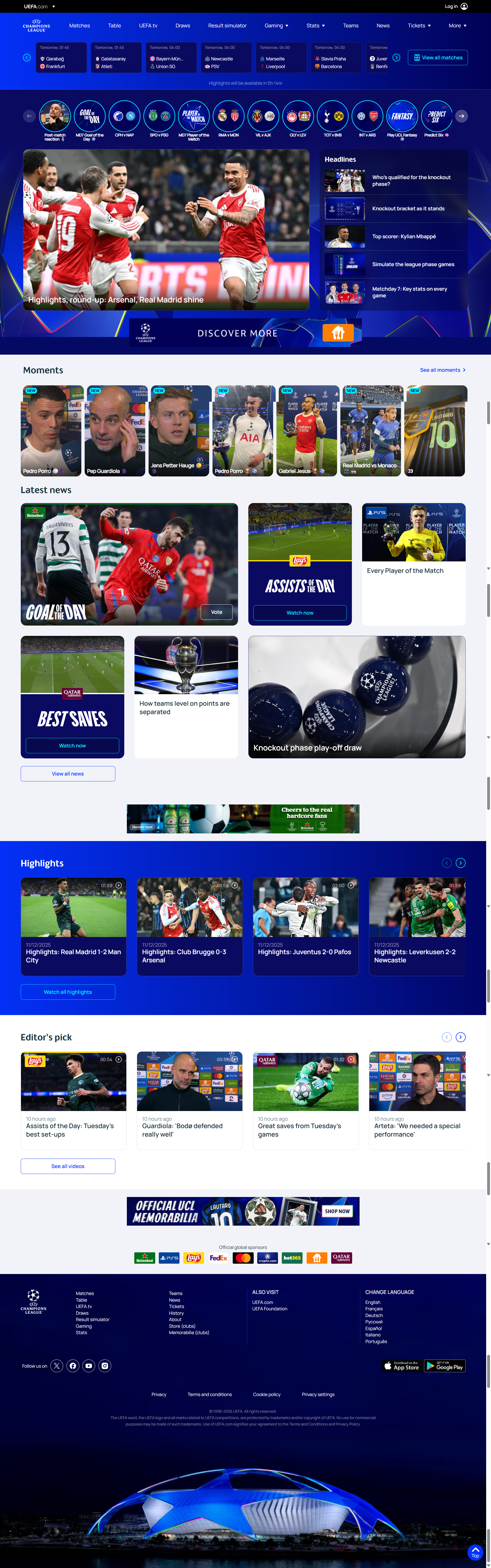
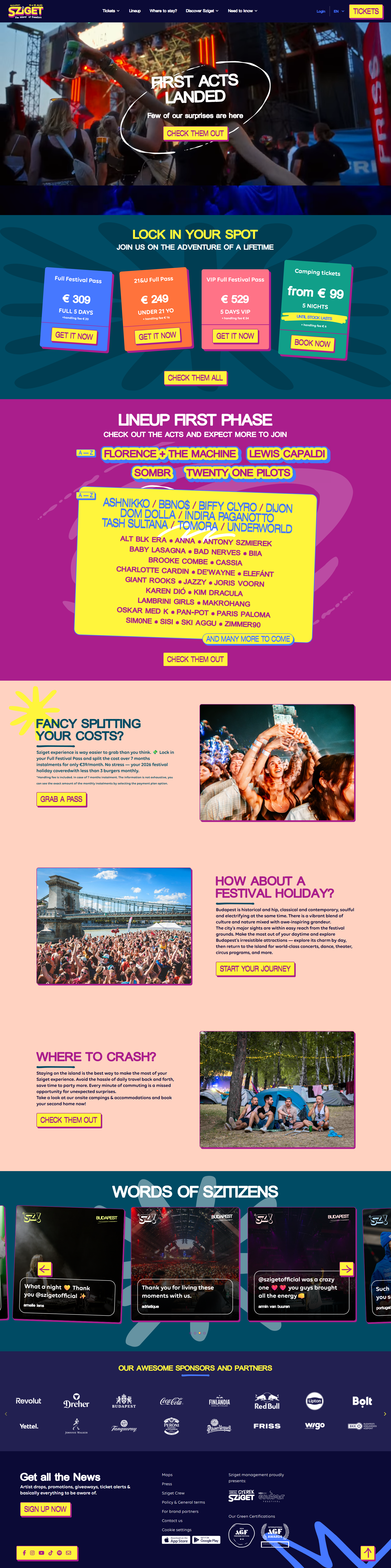
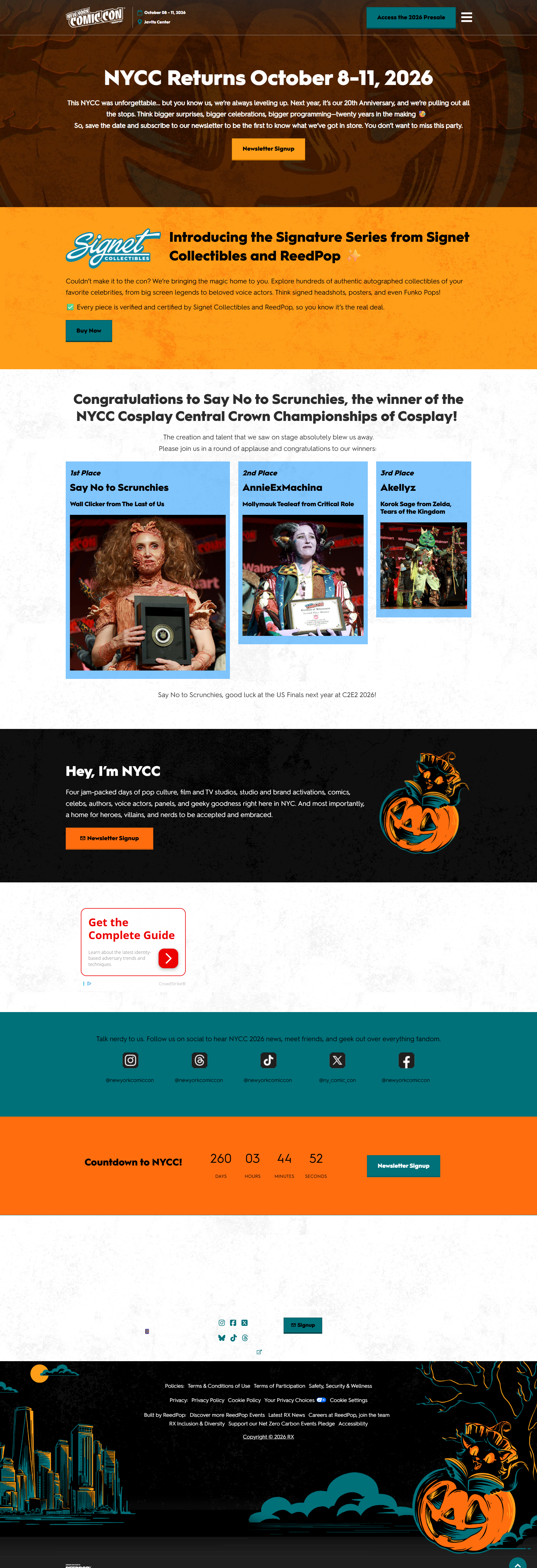
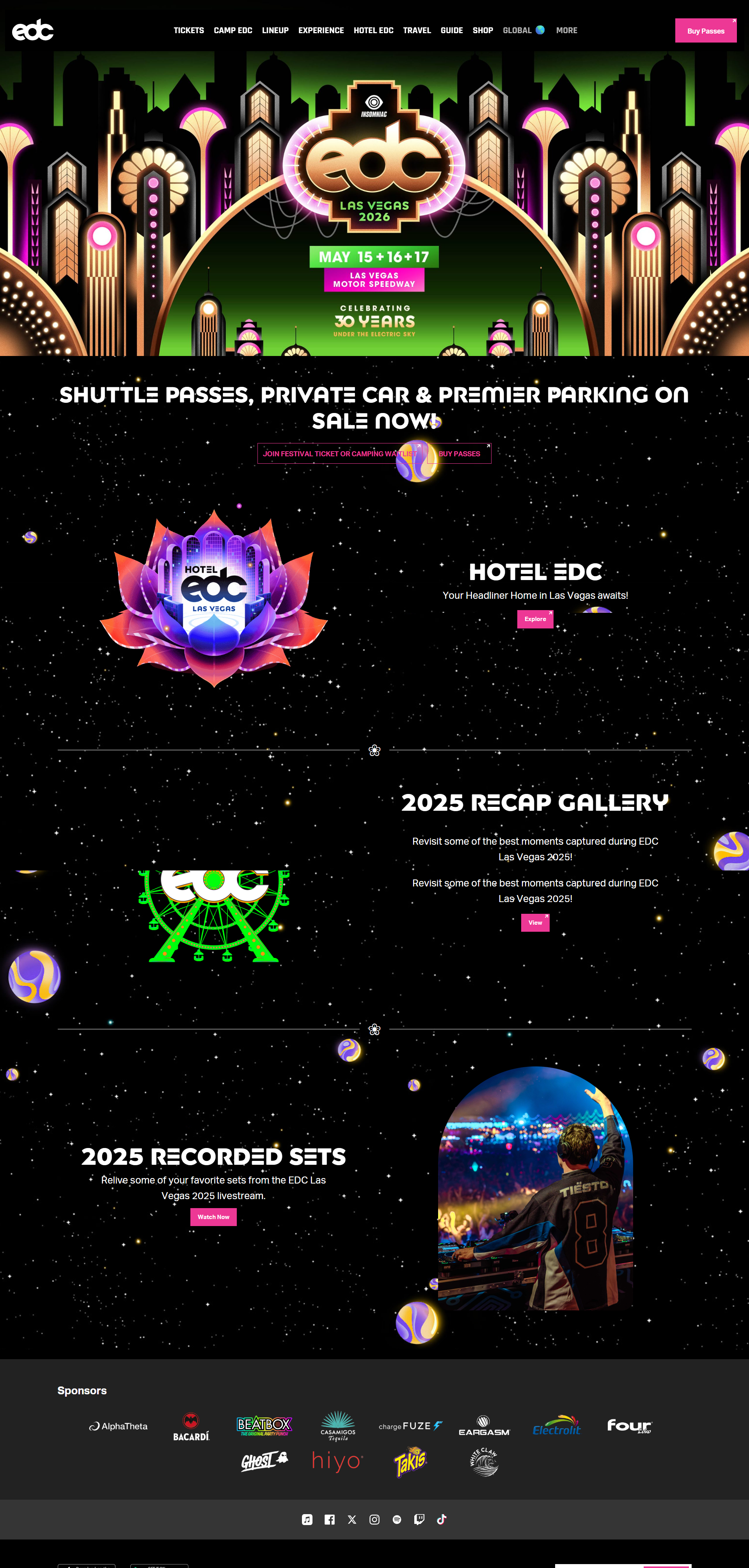
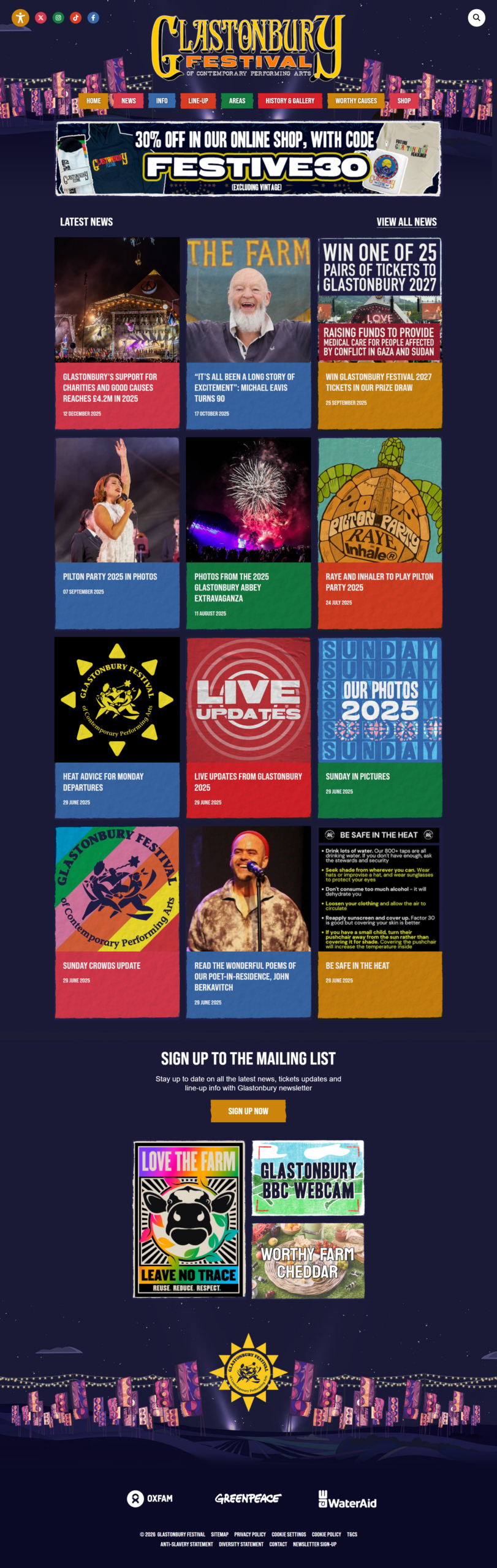
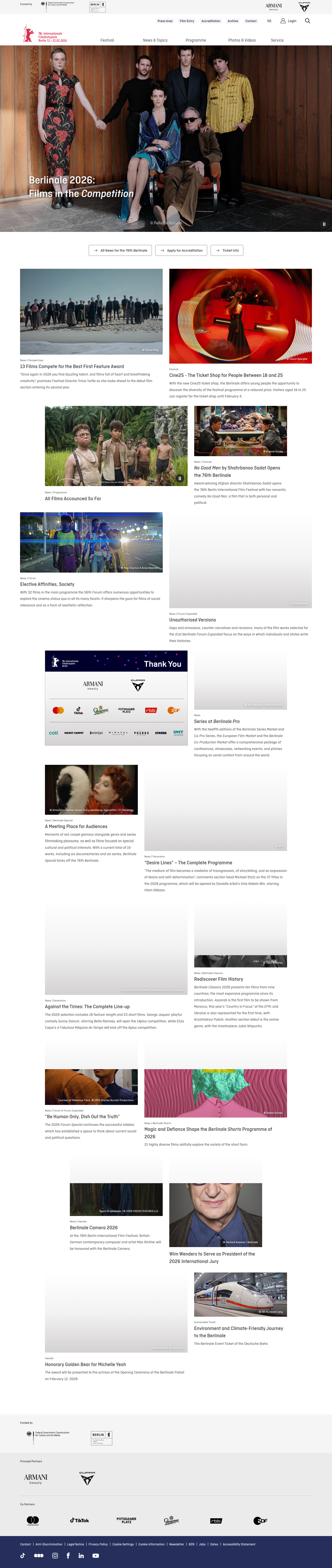
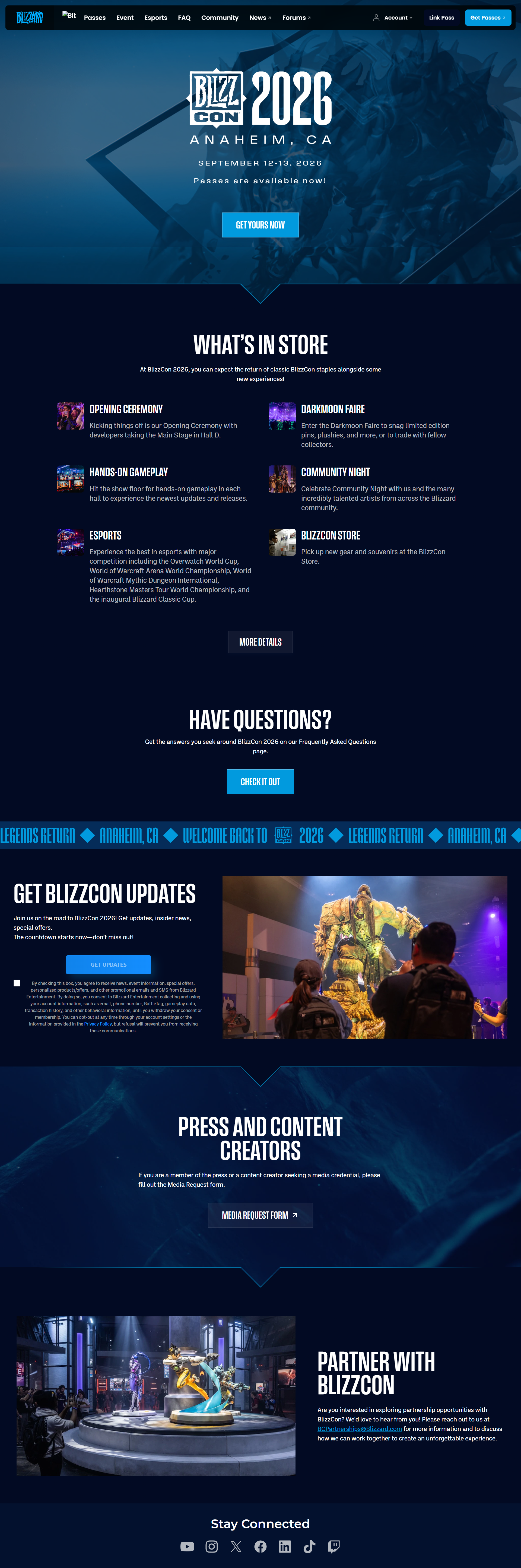
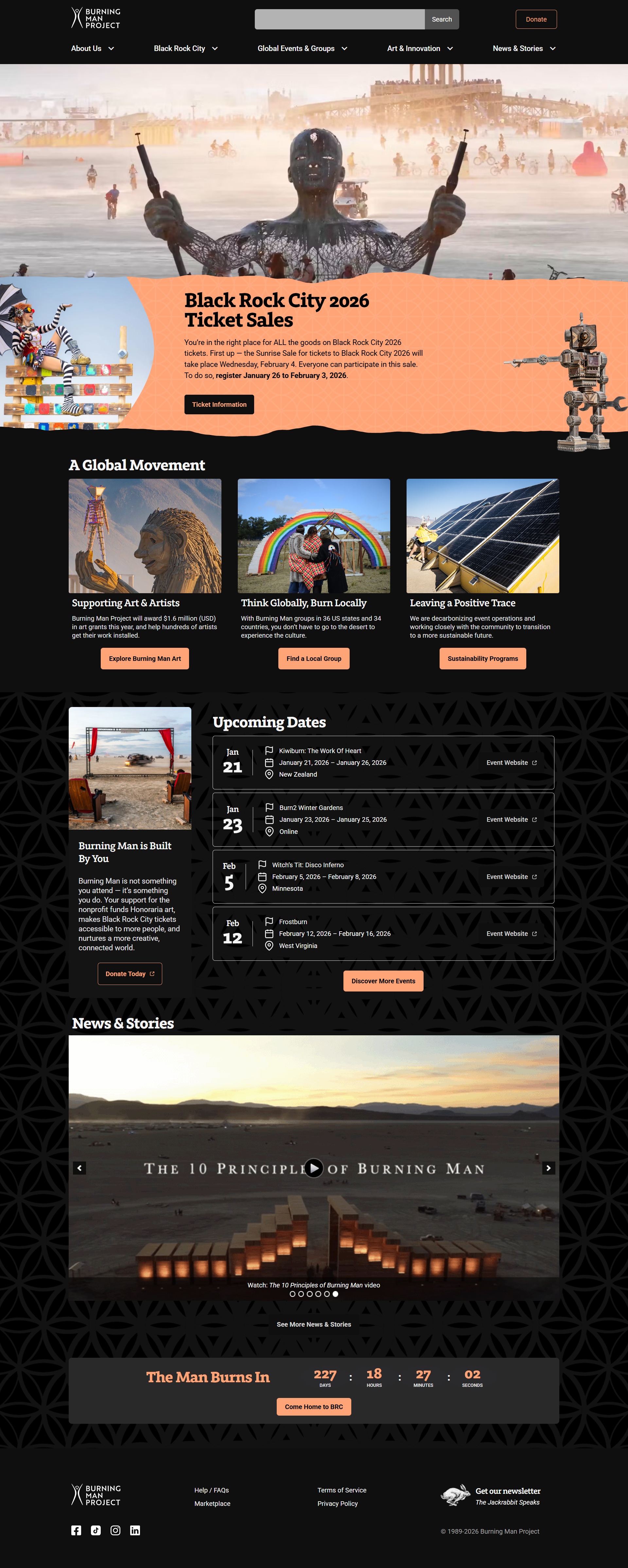
100+ High-Converting Event Landing Page Examples

Browse standout event pages and see what makes them convert. Use these layouts, sections, and copy angles as your shortcut to a stronger event page.

 Love These Landing Pages? You Can Make Yours Convert Even Better

Create beautiful, multi-step forms that convert with a zero-commitment free trial (no credit card required).


What Is an Event Landing Page?

An event landing page is created to move visitors from interest to registration. Unlike general event listings or venue sites, it removes distractions and promotes a single event with one clear goal.

Event landing pages are commonly used for webinars, conferences, workshops, product launches, networking events, and virtual summits. They perform best when paired with targeted email outreach, social media promotion, or paid advertising.

A strong event landing page quickly clarifies three things: what the event is about, who it’s meant for, and why it matters. When this information is clear, visitors are far more likely to register and commit.


Key Elements of a High-Converting Event Landing Page

Persuasive, Value-Driven Headline 

Your headline should emphasize the result attendees will achieve, not simply the event name. For instance, “Master AI Marketing Strategies in 3 Hours” beats “AI Marketing Workshop” because it communicates a specific, valuable benefit.

Clear Event Details Upfront

Date, time, location (or virtual platform), and duration should be immediately visible. Visitors won’t register if they have to search for basic information. Clear details reduce friction and help people decide quickly.

Strong Visual Elements

High-quality images, videos, or graphics help visitors visualize the event experience. Clips from past events, speaker headshots, or venue photos build excitement and credibility, making the page more engaging.

Speaker or Host Credibility

Show who is leading the event and why they’re worth listening to. Short bios, credentials, or notable achievements help establish authority. For professional or educational events, strong speakers are often the deciding factor.

Clear Value Proposition and Agenda

Explain what attendees will gain from joining. Share specific takeaways, topics, or learning outcomes instead of vague promises. A short agenda helps visitors assess relevance and register.

Social Proof and Trust Signals

Testimonials from past attendees, attendance numbers, or logos of participating companies build confidence. For new events, highlight the organizer’s credibility, partners, or expert endorsements to establish trust.

Low-Friction Registration Forms

Registration forms should stay simple and ask only essentials like name and email. Multi-step forms improve completion by splitting signup into smaller steps. Growform helps create faster forms that capture better-qualified leads.

Focused Call to Action

Your CTA should clearly state the next step, such as “Register Now,” “Save Your Spot,” or “Join the Event.” Avoid vague language like “Submit” or “Learn More.” A single, prominent CTA keeps visitors focused and drives conversions.


How to Use These Event Landing Page Examples

Event landing page examples are most valuable when you study the structure, messaging, and strategies behind them.

Start by choosing examples that match your event type and audience. Webinar pages often focus on expertise and outcomes, while in-person conferences emphasize experience and networking. The messaging should reflect what matters most to your attendees. 

Next, analyze how urgency and value are communicated. High-converting pages make the benefits clear early, then reinforce action with limited seats, early-bird pricing, or registration deadlines. Notice how information is prioritized and how CTAs are positioned.

Finally, apply proven patterns and test variations. Small changes to headlines, speaker presentation, form length, or CTA wording can significantly impact registration. Treat every event landing page as a dynamic conversion asset, continuously refining it to increase sign-ups and reduce no-shows.

Frequently Asked Questions

A high-converting event landing page should include a clear headline, essential event details (date, time, location), speaker or host information, and bullet points highlighting key value. Include a simple registration form and a strong CTA. Supporting elements like testimonials, agenda overview, or past event photos can further boost credibility and registrations.
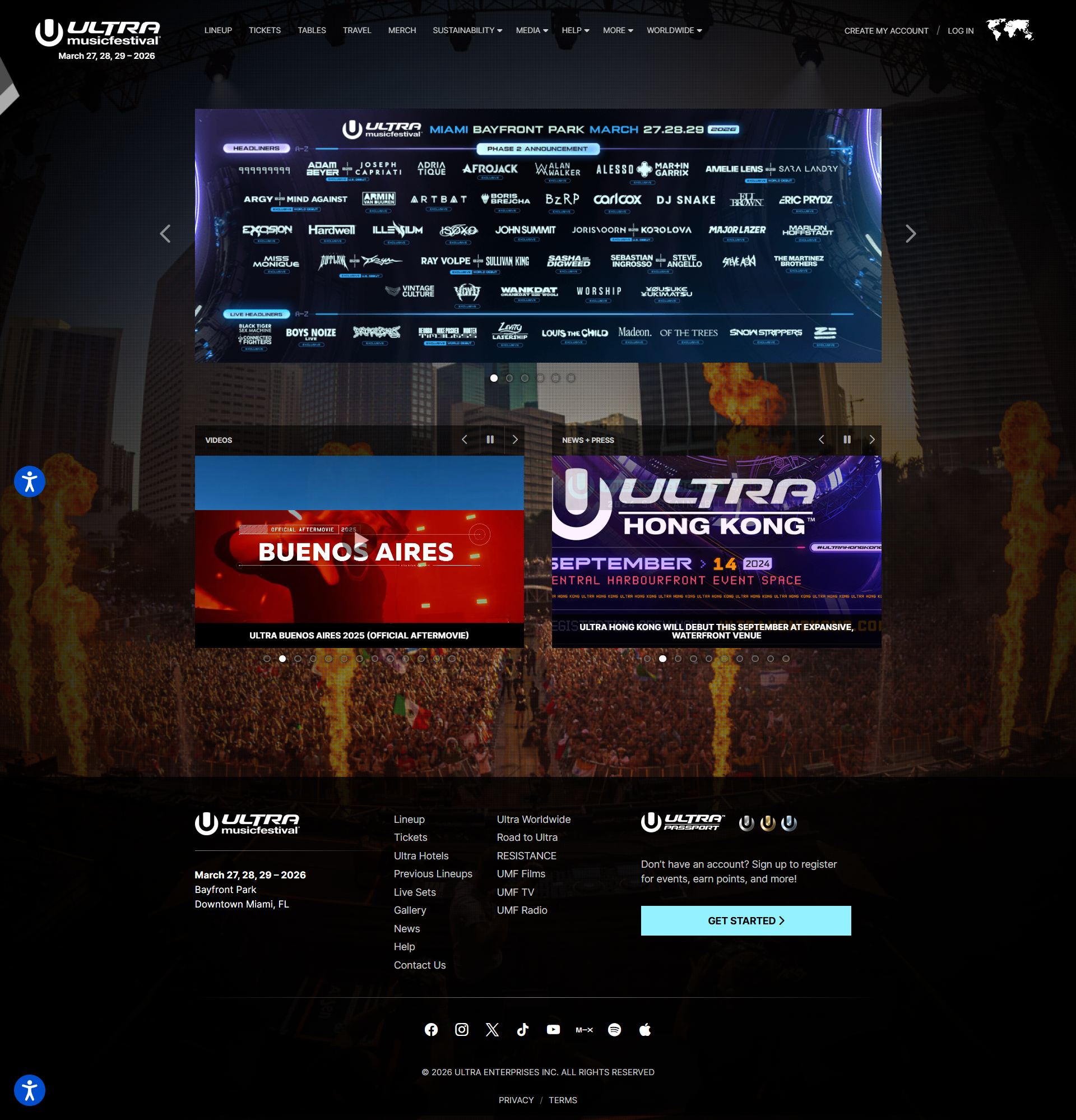

Event landing pages perform best when concise but informative. Give visitors a clear understanding of the event's value, target audience, and key speakers without overwhelming visitors. A scannable layout with clear sections helps visitors quickly find what matters and move smoothly toward registration.

Keep registration forms simple to maximize conversions. Name and email are usually sufficient for most events. Only request additional details, such as company, job title, or dietary preferences, when necessary. Multi-step forms can improve completion rates for events requiring more complex information.

It depends on your pricing strategy. For free events or low-cost tickets, display pricing upfront removes uncertainty and builds trust. For higher-priced events, lead with value and outcomes first, then introduce pricing to justify the investment. Always be transparent before the registration form to avoid abandonment.